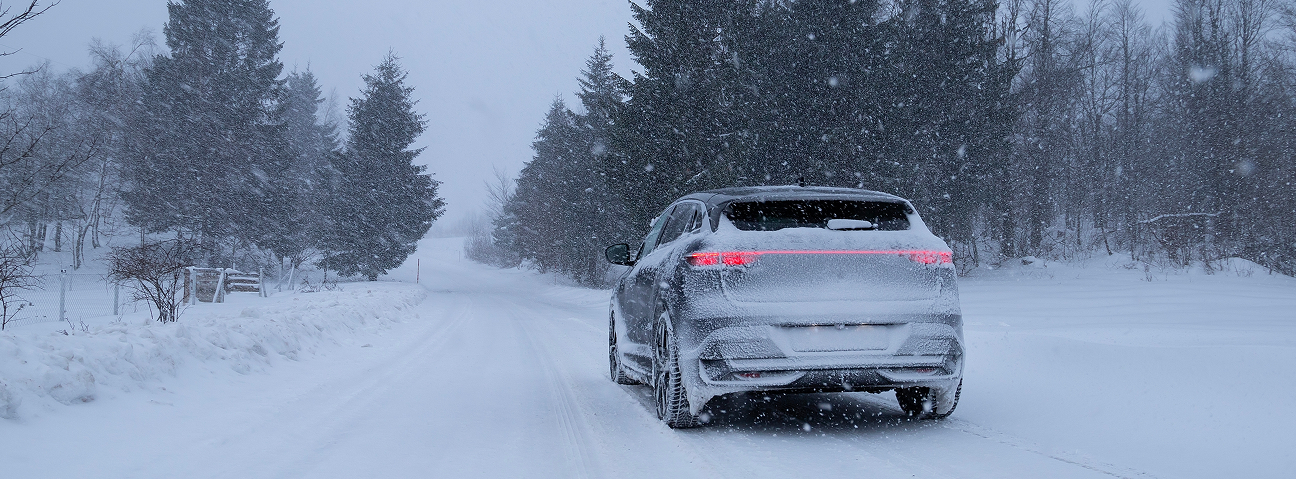
A used electric vehicle has caught your eye, but one question is holding you back: how much range will be left when the mercury drops to minus 20? The concern is legitimate, and the answer deserves better than a neighbour’s anecdotes or the promises of a spec sheet.
In this article, we look at what real-world tests say about winter range loss, the equipment that makes a difference (heat pump, preconditioning, heated seats), how charging behaves in deep cold and how to assess whether a used electric vehicle suits your driving.
Two serious, independently conducted studies reach converging conclusions. In Canada, CAA put 14 electric vehicles through a winter road test between Ottawa and Mont-Tremblant, in temperatures of -7°C to -15°C: all of them showed a range reduced by 14 to 39% compared to the manufacturers’ published figures. In the United States, the firm Recurrent, which analyzes data from more than 30,000 electric vehicles, measures that an electric vehicle keeps on average 78% of its range at 0°C and about 70% at -7°C.
Remember the order of magnitude: in a typical Quebec winter, plan for 20 to 30% less range, and up to 40% for some models in deep cold. A vehicle advertising 400 km realistically delivers 280 to 320 in January. It is a data point to factor into your purchase decision.
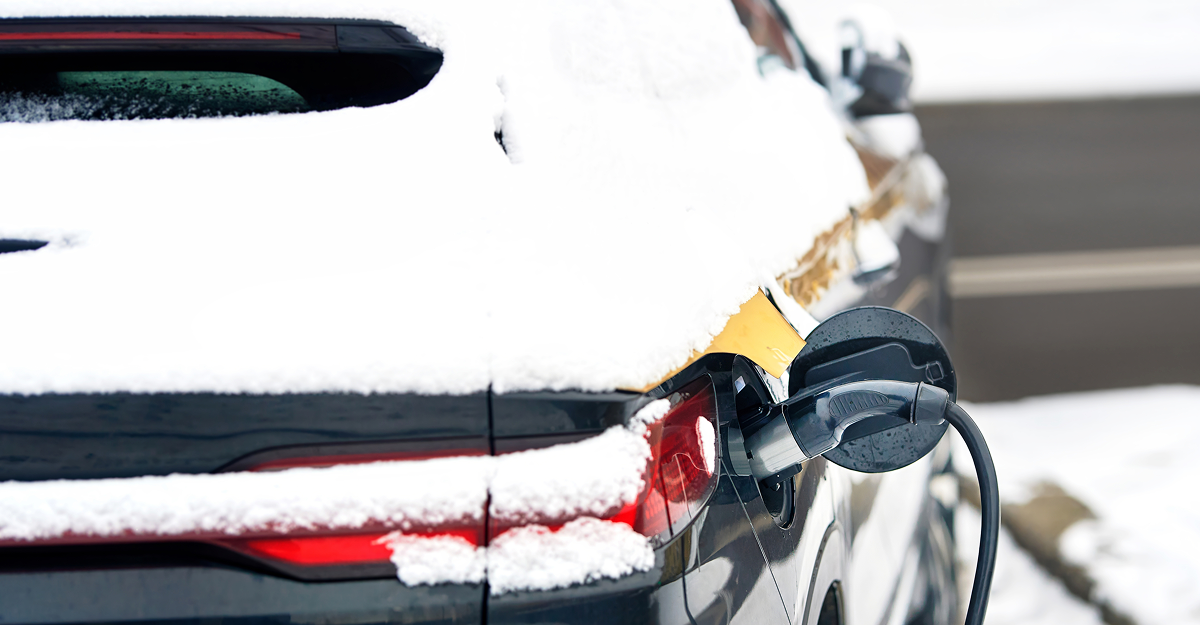
Two phenomena add up. First, a battery’s chemistry slows down at low temperatures: the reactions that release energy become less efficient, a bit like a phone left in a car in winter. Second, the cabin has to be heated. Unlike a gasoline engine, which produces “free” heat by burning fuel, an electric vehicle has to draw every degree of comfort directly from its battery.
The good news: the cold only slows the battery down, it does not damage it. It is extreme heat, rather, that accelerates a battery’s wear over the years. A used electric vehicle that spent its first years in Quebec is therefore far from a bad match, quite the opposite.
Not all electric vehicles are equal once December arrives, and one piece of equipment explains much of the gap: the heat pump. Rather than heating the cabin with a very energy-hungry electric resistance heater, it captures heat from the outside air and transfers it inside, the way a residential heat pump does. According to Recurrent’s data, it improves winter range by about 10% around the freezing point, although its efficiency drops in extreme cold.
When shopping for a used electric vehicle, ask whether the model and year you are looking at is equipped with one: several manufacturers added it partway through a generation, so two years of the same model can behave differently. It is a simple question that often makes a difference of several dozen kilometres.
Preconditioning means warming the cabin and the battery while the vehicle is still plugged in, from a mobile app or a schedule. The energy then comes from the charging station, not the battery: you leave with a comfortable cabin, a defrosted windshield and your full range intact. CAA makes it its number one winter recommendation.
In the same spirit, favour the heated seats and heated steering wheel, common on electric vehicles, rather than cranking the central heating: warming a person takes far less energy than warming the whole cabin. And if you can park indoors, even in an unheated garage, the battery will pay you back in range and charging speed.
Cold also slows charging, because the battery needs to be sufficiently warmed to accept full power. During CAA’s winter test, vehicles still recovered about a hundred kilometres of range in 15 minutes on a DC fast charger (the most powerful stations on the public network). That is slower than in summer, but far from paralyzing.
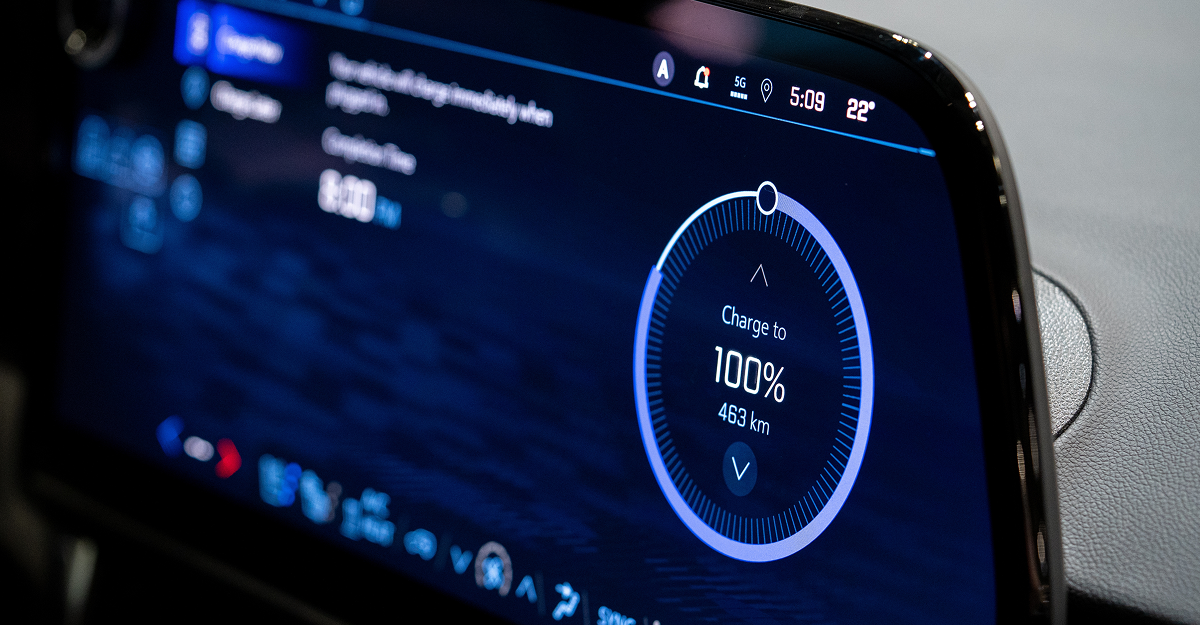
For everyday life, charging overnight at home or at work remains the simplest solution: the vehicle leaves every morning with a full charge, whatever the weather. For long winter trips, plan slightly more frequent stops and aim for the 10 to 80% charge window, where fast charging is most efficient.
An electric vehicle is obviously not exempt from Quebec’s legal requirement: certified winter tires from December 1 to March 15. They are even more important on an electric vehicle, which is heavier than an equivalent gasoline model because of its battery, which lengthens braking distances on icy roads. For the dates, the law and how to choose tires, see our article on winter tires in Quebec.
Winter range loss sounds scary in the abstract, but it should be judged against your actual needs. Do the math:
Our Auto Durocher advice: before buying a used electric vehicle, apply the 70% rule. Take the model’s advertised range, subtract 30%, and ask yourself whether the result comfortably covers your worst typical winter day. If the answer is yes with room to spare, the cold will be nothing more than a detail. Also check for a heat pump and the battery’s state of health: those are the two questions that matter most.
If you are tempted by electric, the calendar is working in your favour, but not for much longer. In 2026, the government’s Roulez vert program provides a $1,000 rebate on the purchase of an eligible used electric vehicle, and it ends on December 31, 2026. One important detail: it is the date the vehicle is registered in your name that determines eligibility, not the purchase date. We devoted a full article to this last chance at the Roulez vert rebate.
Count on 20 to 30% less range in a typical Quebec winter, more in deep cold: it is measured, predictable and manageable. A heat pump, preconditioning while plugged in, heated seats and sheltered parking recover a good part of the loss. Charging is slower in the cold, but a fast charger restores about a hundred kilometres in a quarter of an hour, and overnight home charging erases the problem day to day.
The right choice depends on your driving, your access to charging and the model: a well-chosen used electric vehicle has been getting through Quebec winters without drama for years, for thousands of drivers here. To compare the models that handle it best, have a look at our guide to the best used electric vehicles in Quebec.
At Auto Durocher, we inspect every used electric vehicle before putting it up for sale, and our team helps you assess whether a model’s range truly fits your winter driving. Explore our used vehicle inventory or learn about our financing options to take advantage of the Roulez vert rebate while it is still here.