Is your vehicle really ready for the winter ahead? Between the first snowfall that catches everyone off guard, -25°C mornings and the road salt that eats away at bodywork, a Quebec winter leaves no room for neglect. And when you drive a used vehicle, preparation is essential, because some components, like the battery or the wiper blades, already have a few seasons behind them.
Here is the complete checklist to get through winter without any bad surprises. You will also find what to check if you are shopping for a used car this fall.
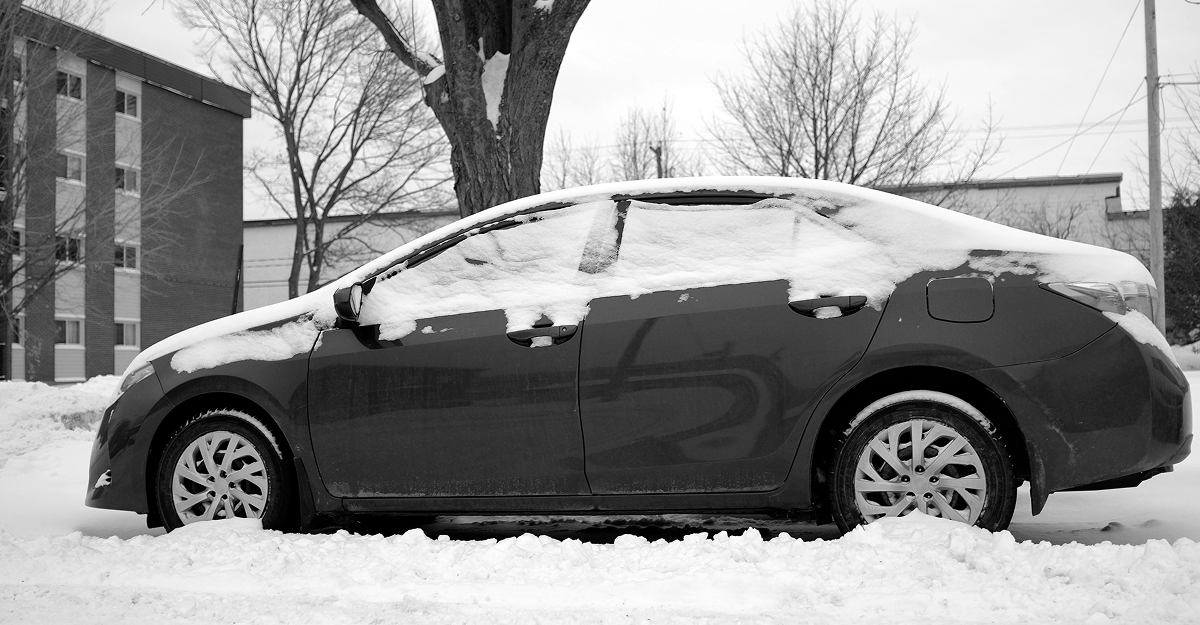
Because everyone else waits for the first storm. Every year, garages are overwhelmed by late November, tire installation appointments become scarce and batteries give out at the first deep freeze. By acting in October, you choose your moment instead of having it imposed on you.
CAA-Quebec actually recommends installing winter tires as soon as the temperature stays around 7°C for a few consecutive days: at that temperature, summer tire rubber already hardens and loses grip, well before the first snowfall.
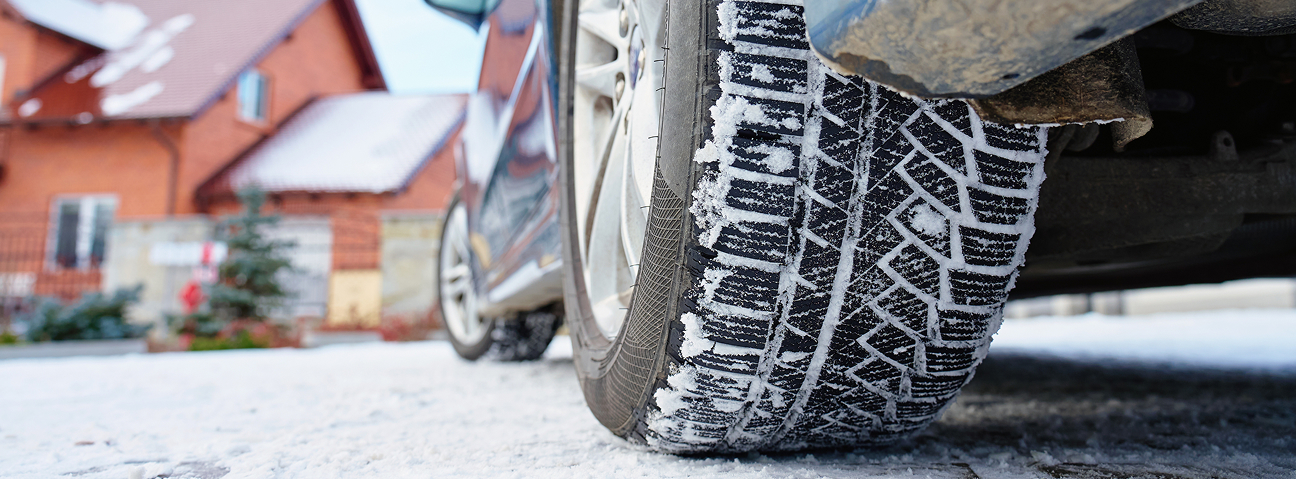
In Quebec, winter tires are mandatory from December 1 to March 15 inclusively for passenger vehicles registered in the province. To be compliant, all four tires must bear the mountain-snowflake pictograph: a symbol showing a three-peak mountain containing a snowflake, moulded into the tire’s sidewall, certifying it is designed for winter driving. Driving without compliant tires during this period exposes you to a fine of $200 to $300.
The law sets a minimum, but safety suggests a little more. A tire is legal down to a tread depth of 1.6 mm (2/32 of an inch), but CAA-Quebec recommends starting the season with at least 6/32 of an inch, about 4.8 mm: below that threshold, the tire’s ability to clear slush and bite into snow drops quickly. If your winter tires have several seasons of wear, have the depth measured at three points (inner, centre and outer grooves) before deciding to put them back on your vehicle.
Good to know if you have just bought a vehicle: a 7-day window is provided to bring a newly acquired vehicle into compliance, upon presentation of the sales contract or an exemption certificate from the SAAQ. So you do not have to pass on a good deal in December just because it is wearing summer tires. For all the details on the rules, see our article on winter tire dates and the law in Quebec.
It is the number one breakdown of winter, and it is almost always preventable. According to tests by the CAA and AAA automobile associations, a battery loses about 35% of its power at the freezing point, and up to 60% at -18°C. In other words, a tired battery that still starts in October can let you down on the first January morning.
A car battery lasts on average 3 to 5 years. On a used vehicle, you do not always know its age: look for the date sticker on the casing, and if it is more than three or four years old, have it tested. The test takes a few minutes in a shop and gives you the full picture of its real capacity. Also, slower starts or headlights that dim at idle are signals to take seriously.
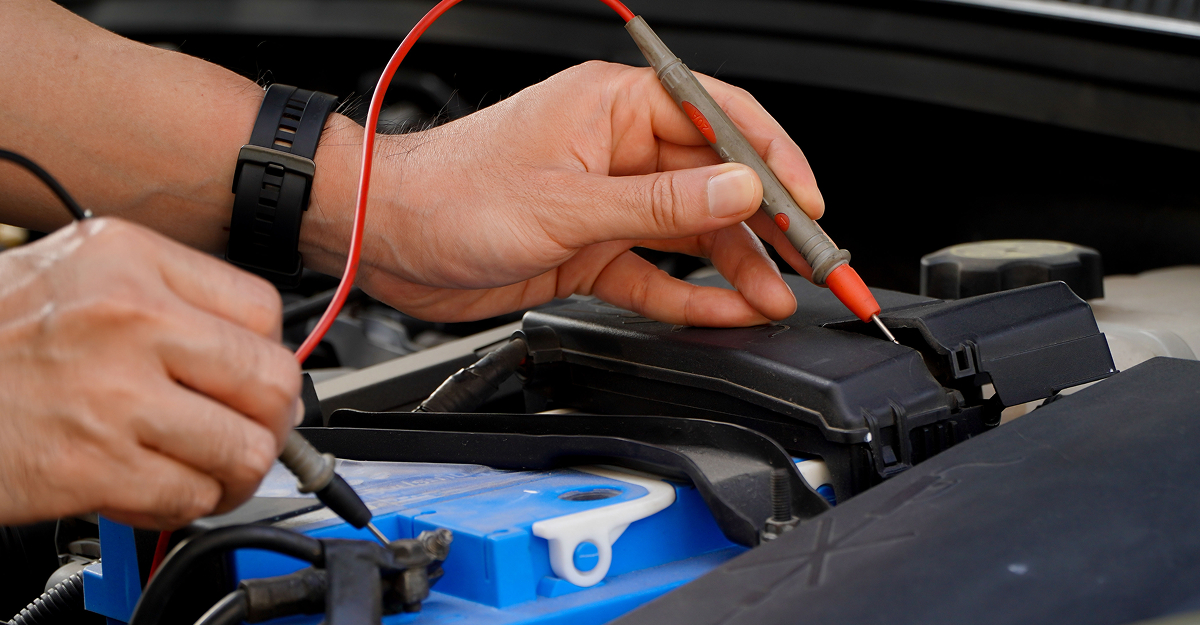
These three quick checks help you avoid three common problems:
Visibility is your first protection in a storm. Winter wiper blades, fitted with a rubber boot that keeps ice from jamming the frame, make a real difference in freezing rain. If your current blades leave streaks or chatter, replace them now: they will not improve by January.
Check all your lights too: headlights, turn signals, brake and hazard lights. The days get shorter quickly, and yellowed or fogged headlight lenses can noticeably reduce your lighting. Professional polishing often gives a used vehicle’s headlights a second life.
Road salt and calcium start doing their work with the very first spreading. A thorough wash, a protective wax and, ideally, a rustproofing treatment before the season protect your vehicle’s resale value. That is even more true for a used car that already has a few winters behind it. To choose between grease, oil and electronic systems, see our article on rustproofing treatments.
If your vehicle has a block heater, inspect the cord and plug before the season: a cracked cable is useless, even dangerous. CAA-Quebec advises plugging it in from -5°C, two to three hours before departure. The engine starts more easily, wears less and warms the cabin faster.
Two simple habits complete the preparation: keep the gas tank at least half full to limit condensation in the fuel system, and avoid long periods of idling, which wear the engine without warming it.
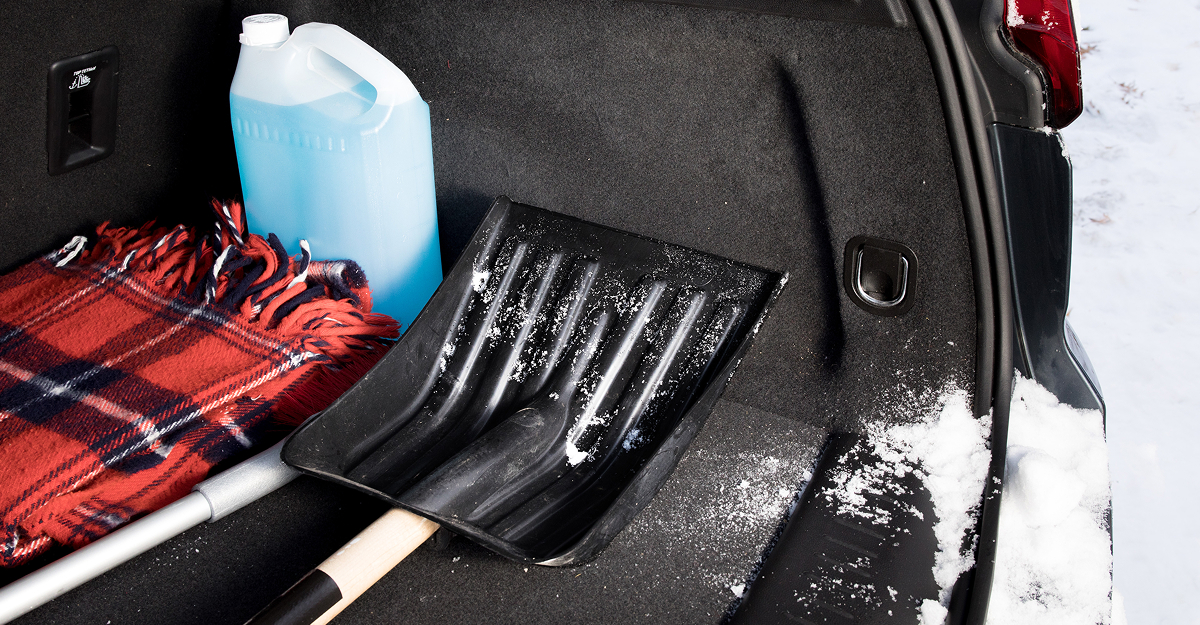
A breakdown or a slide off the road in the middle of winter can leave you stranded for a long time. We recommend keeping these items in the vehicle at all times:
Add your spare jug of washer fluid and some fuel line antifreeze. It all fits in a plastic bin at the bottom of the trunk, and you will not think about it again until the day you really need it.
Buying in October or November also means buying with winter in mind. You should add these reflexes to your shopping: ask whether the vehicle comes with winter tires (and in what condition), have the battery’s age and capacity checked, and ask about the rustproofing protection applied. A transparent seller will answer all three questions without hesitation.
Our Auto Durocher advice: negotiate winter preparation at the time of purchase rather than after. Winter tires included, a tested battery and fresh rustproofing are often worth more than a few hundred dollars off the price, because they spare you breakdown-related expenses.
Compliant winter tires installed before December 1, ideally as soon as the temperature hovers around 7°C. Battery tested if it is more than three years old. Winter washer fluid, coolant and oil checked. Wipers and headlights in good condition. Rustproofing applied before the first salt spreading. Complete emergency kit in the trunk.
Every item on this list takes a few minutes or a few dozen dollars to settle in October. In January, an oversight turns into a tow, a delay or a costly repair. Preparation does not eliminate winter, but it eliminates most of its bad surprises.
At Auto Durocher, we have been preparing vehicles for Quebec winters for three generations: tire installation and storage at our tire centre, battery testing and complete tune-ups at our service shop. And if you are looking for a vehicle that is already inspected and ready for the season, our used vehicle inventory is waiting for you in Mirabel.