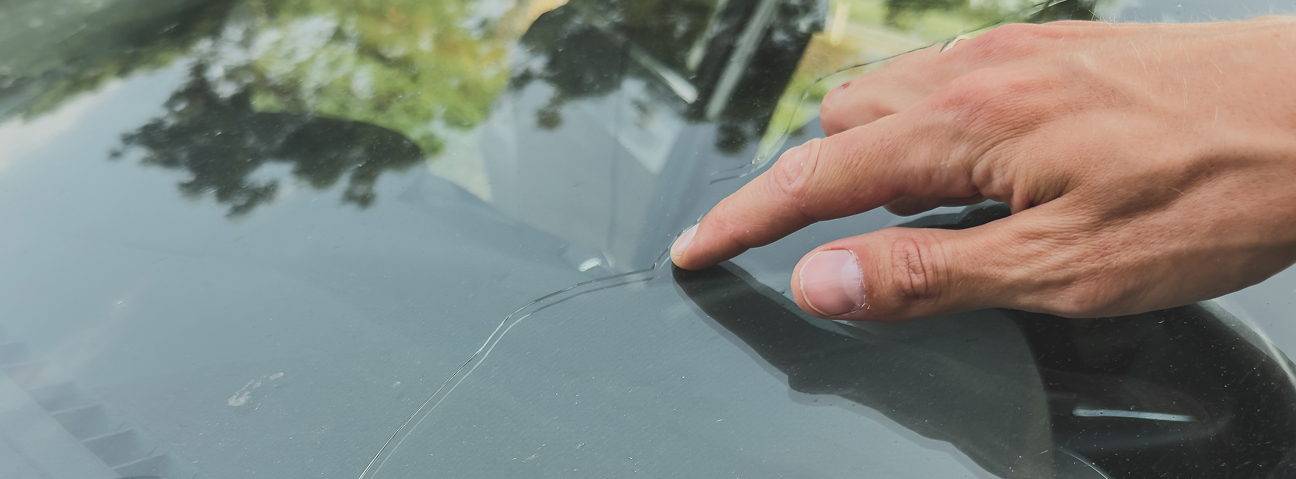
A sharp crack on Highway 15, a white dot in the corner of the windshield, and the question that comes to mind: can it wait? In Quebec, the answer is rarely yes. Between temperature swings, defrosting and potholes, a chip the size of a fingernail quickly becomes a 30 cm crack.
Here is how to decide between repair and replacement, what each option really costs, and what your insurance covers or not.
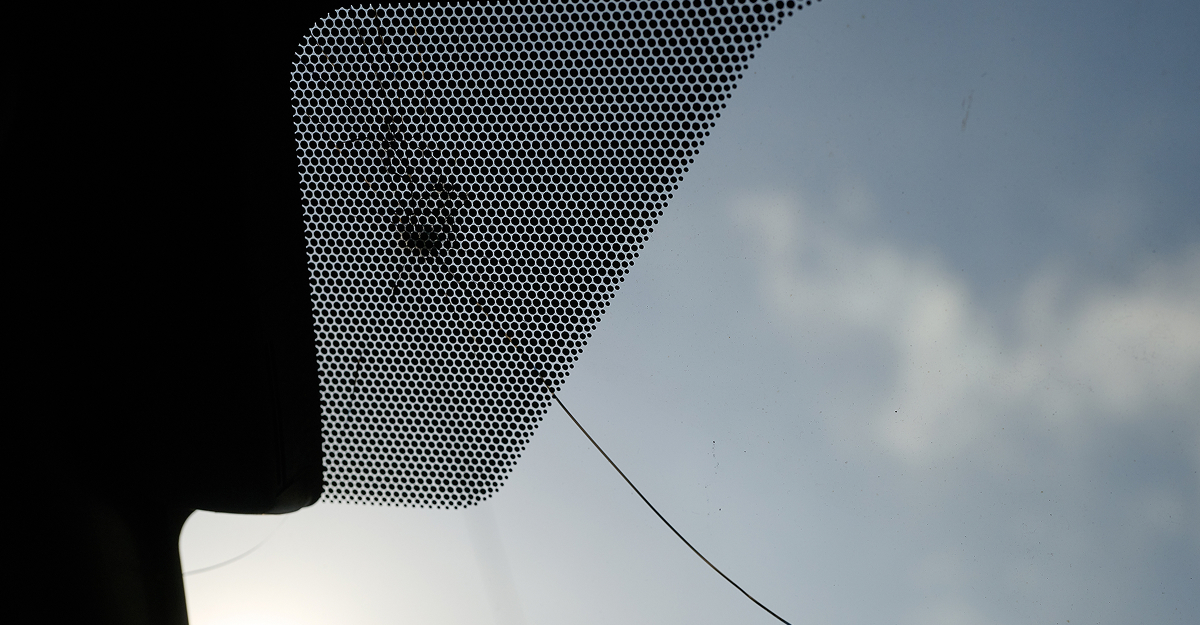
According to CAA-Quebec, an impact smaller than a coin can generally be repaired without issue: a technician injects resin into the chip, the operation often takes less than an hour, and several shops even offer a mobile service that comes to your home or workplace.
Replacement becomes unavoidable, however, in these situations:
A successful repair remains slightly visible and the repaired glass stays a little more fragile than an intact windshield: an acceptable compromise for a minor chip, but not for damage in your line of sight.
Glass contracts in the cold and expands in the heat. Every winter morning, your windshield at -20°C receives a blast of hot air: this thermal shock concentrates stress exactly where the glass is already weakened. A chip left unrepaired in the fall has every chance of turning into a crack as winter goes on.
Two reflexes limit the damage while you wait for the repair: defrost gradually (medium ventilation first, heat afterward) and never pour hot water on a frozen windshield, a move that can shatter the glass at once. On the road, keep your distance behind trucks and on gravel roads: fewer projectiles, less risk of chips.
Not always. A crack or chip larger than 12 mm in the area swept by the wipers makes the windshield non-compliant with the Highway Safety Code standards, and CAA-Quebec notes possible fines of $100 to $200 (plus fees) if the damage interferes with the driver’s vision.
Beyond the fine, there is safety: the windshield contributes to the structural rigidity of the cabin and to the proper deployment of the airbags, in addition to being your first window on the road. Weakened glass protects you less well in an accident.
The good news first: repairing a chip remains affordable, generally between $50 and $150 according to Canadian comparison site Rates.ca. Replacement, on the other hand, is more costly: count on $300 to more than $1,000 depending on the vehicle.
The gap is explained almost entirely by on-board technology. Specialty magazine RPM reports striking examples: about $415 plus taxes for the windshield of a 2018 Volkswagen Golf without driver-assistance systems, versus $1,079 plus taxes for a 2023 Honda Civic, more than double. Heated glass, rain sensors and cameras all drive up the bill.
If your vehicle has driver aids (adaptive cruise control, emergency braking, lane keeping), their camera watches the road through the windshield. After a replacement, that camera must be recalibrated, either in the shop in front of precision targets (static calibration) or on the road with an instrument connected to the vehicle (dynamic calibration). Without this step, the safety systems can misread what they see.
It is an essential step on recent vehicles, even used ones: most models from the past few years have at least one camera behind the windshield. Always check that the shop you choose performs (and guarantees) the calibration, not just the glass installation.
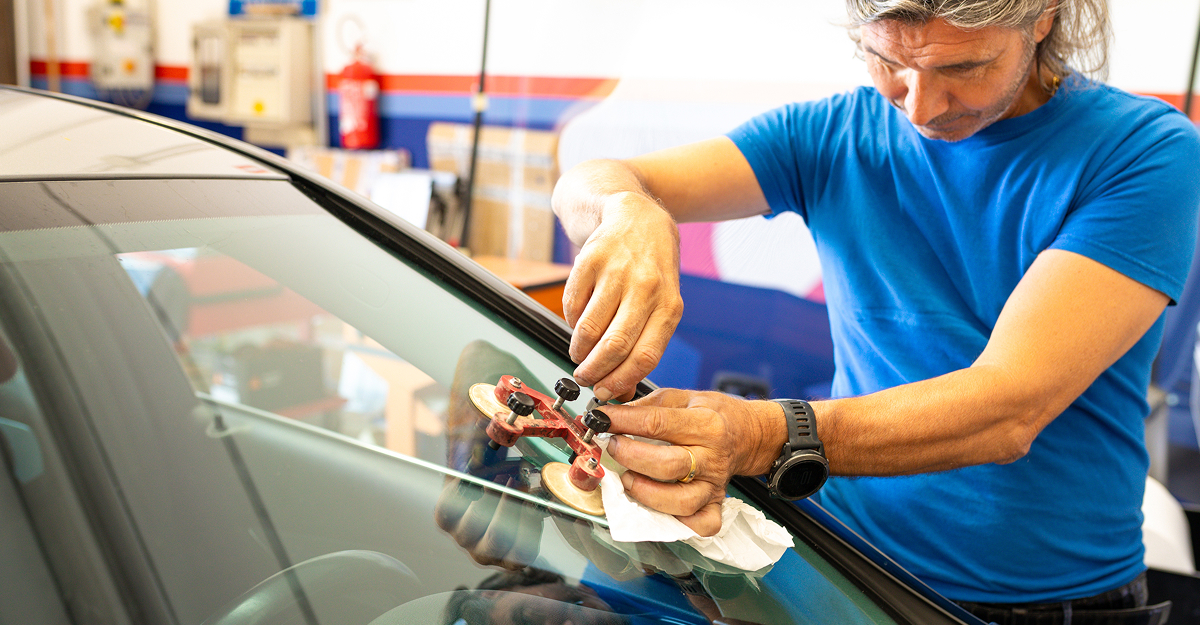
The repair is surprisingly simple: the technician cleans the chip, injects a clear resin under pressure, then cures it with ultraviolet light before polishing the surface. The whole thing generally takes 30 to 60 minutes and you drive away immediately. The resin stabilizes the glass and keeps the crack from spreading: it is as much a preventive procedure as a cosmetic one.
The replacement is a heavier operation: cutting out the old glass, cleaning the frame, setting the new windshield on a structural adhesive, then calibrating the cameras where applicable. Plan to leave the vehicle for a few hours, the time the adhesive needs to reach the strength required to drive safely. A serious shop will give you that timeline before doing the replacement.
One question comes up often: original glass or aftermarket glass? Both can work, provided the glass is certified to standards and the shop guarantees its work, ideally for as long as you own the vehicle. On a model equipped with cameras, simply make sure the chosen glass is compatible with the calibration.
If your policy includes glass breakage protection (generally through “all perils” or “all perils other than collision” coverage), the repair of a chip is often covered with no deductible and no effect on your record, precisely because it saves the insurer a much more expensive replacement. The replacement, however, generally requires paying your deductible.
Every contract has its own conditions, though: before filing a claim, call your insurer or broker to confirm your exact coverage. If the repair costs less than your deductible, it is often simpler to pay for it out of pocket.
During the test drive, take ten seconds to examine the glass in low-angle light: chips, the start of a crack, a previous repair. A chip is not a reason to walk away from a good vehicle, but it is something to settle before delivery, not after. Add this point to your list along with the 5 questions to ask the dealer.
Our Auto Durocher advice: treat a chip like a water leak, not like a scratch. Repaired the same week, it costs the price of a tank of gas and disappears from your worries. Put off until later, it becomes a four-figure replacement with calibration, often in the middle of January, at the worst possible time.
Windshield repair searches spike every fall in the region, and not all shops are equal. Four questions quickly separate them: does the shop perform camera calibration on site (or does it send your vehicle elsewhere, with the delays that implies)? Does it guarantee its work, and for how long? Does it handle the insurance claim for you? And can it give you an appointment quickly, before the chip becomes a crack?
A shop integrated into a dealership has a concrete advantage here: the same place repairs the glass, calibrates the systems and already knows your vehicle if it is serviced there. For residents of Laval, Saint-Jérôme, Blainville and the Laurentians, it is often the solution that avoids back-and-forth trips.
Smaller than a coin, out of the field of vision and away from the edges: repairable, quickly and cheaply. Larger than a $1 coin, in your line of sight or near the border: replacement, with camera calibration if your vehicle has driver aids. Winter accelerates everything, the bill ranges from $50 to more than $1,000 depending on the option and the vehicle, and your insurance often covers the repair with no deductible. The only bad decision is waiting.
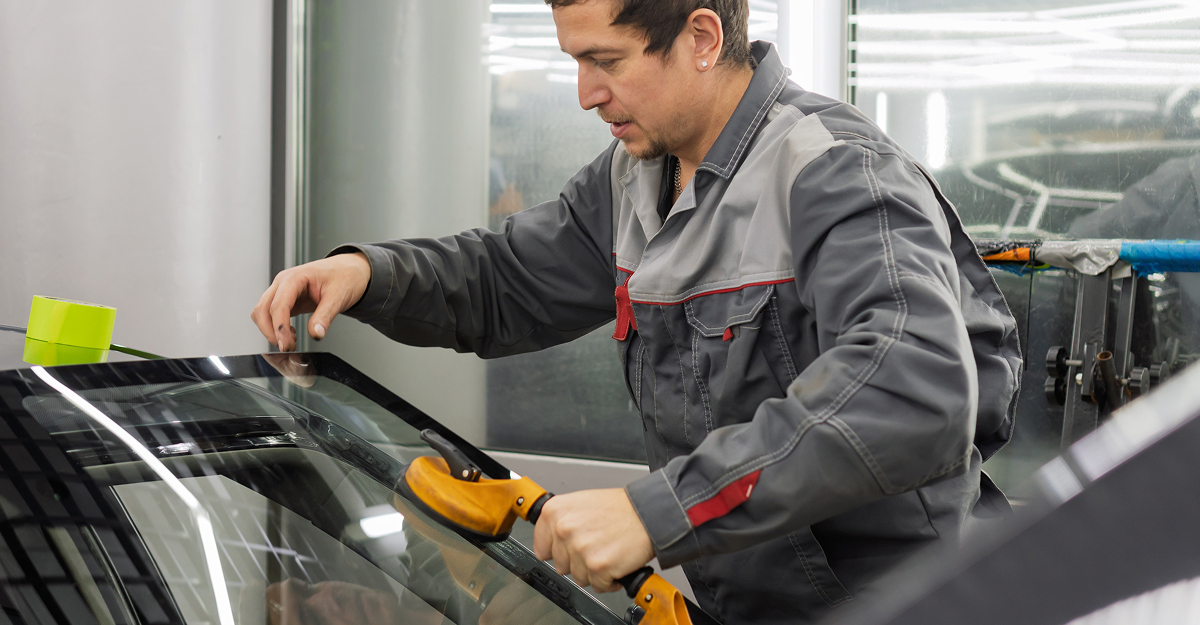
At Auto Durocher, our VitrXpert service repairs and replaces windshields right at the dealership, and our service shop can take a look at a chip during your next appointment. A 30-minute stop now saves you a bad surprise at the first frost.