When shopping for a used vehicle, the interest rate is often what turns a good choice… into a payment that’s too high. The challenge is that there isn’t just “one” rate: in auto financing, the rate mainly varies based on your credit profile, the loan term, and the vehicle being financed.
The goal of this article is simple: to give you realistic benchmarks, help you understand what influences your rate, and show you how a dealership can help you secure a better option.
What rates can you expect for used vehicles in Canada?
In 2026, several Canadian guides indicate that auto financing rates vary widely, and that used vehicles and weaker credit profiles tend to come with higher rates.
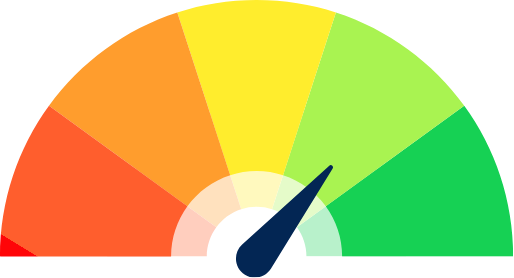
As a simple reference, some sources present approximate annual interest rate ranges based on credit score:
- Excellent credit (750+): ~3.99% to 6.99%
- Good credit (660–749): ~5.99% to 9.99%
- Average credit (560–659): ~8.99% to 14.99%
- Poor credit (below 560): can be very high (e.g., ~29.99% or more depending on the lender)
Note: In Canada, some sources also mention that the legal maximum is 35%.
Why are used car rates often higher than new car rates?
Without getting too technical, it mainly comes down to risk: a used vehicle has more variables (age, mileage, resale value), and lenders adjust accordingly. That’s also why your credit profile, job stability, and ability to repay weigh heavily in the final decision.
Why some used vehicles can’t be financed over long terms
When a loan stretches over a long term (72 or 84 months), the lender protects itself: it wants the vehicle to retain enough value for a good portion of the term. However, an older or high-mileage vehicle may lose value faster and become riskier to finance over a long period.
Simply put: the older the vehicle, the harder it is to stretch the loan over several years.
What influences your rate (the 5 factors that really matter)
1) Your credit profile
This is the #1 factor. The stronger your credit file, the more you can access lower rates. On the other hand, “subprime” profiles often fall into much higher ranges.
2) The loan term
Extending the term can lower the monthly payment, but it often increases the total interest cost. Recent data also shows that longer auto loan terms are common and directly impact the total amount paid.
3) The vehicle and its value
Even at the same rate, a more expensive vehicle (or one with weaker residual value) can result in a less favorable structure. For used vehicles, condition and resale value matter.
4) Down payment and trade-in
A down payment (or trade-in) can reduce the financed amount, which may improve how lenders view your file and increase flexibility.
5) Your overall financial profile
Income, stability, debt ratio, and recent history are all factors lenders use to make their decision.
How to get a better rate on a used vehicle (without overcomplicating things)
1) Get pre-qualified before falling in love with a vehicle
It’s important to understand your situation and compare options to avoid overpaying for financing.
In practical terms: you shop better when you know your limits.
2) Compare total cost, not just the monthly payment
The classic trap is: “I want to pay $X/month.” What really matters is the total cost (payment + term + rate). A simple car loan calculator helps you see how term and rate affect the total.
3) Adjust two simple levers: down payment and term
Often, the best balance comes from a small down payment combined with a reasonable term, rather than a very long term that feels comfortable monthly but costs more overall.
4) If your credit is more challenging: focus on structure, not perfection
Some lenders accept more complex profiles, but rates can vary significantly. The goal is to find a realistic structure and improve your situation over time (on-time payments, stability, etc.).
The role of the dealership: why it can make a real difference
A dealership doesn’t just “sell a vehicle.” It can also:
- Help you choose a vehicle that fits your real budget
- Guide you toward a realistic financing structure
- Save you time by quickly clarifying your options based on your profile
Key takeaway
There is no “universal rate” for a used vehicle. The right approach is to base your decision on your profile, compare the total cost (not just the monthly payment), and validate a structure that fits your budget. If you really want to optimize your financing, the most effective starting point is often to clarify your situation before shopping too long.
Want to see what options are available based on your budget?
Browse the inventory and shortlist 2–3 vehicles to compare, then we can guide you toward a realistic financing solution.